
KinstaHybrid
Kinsta Affiliate ProgramPayout
Up to $500 + 10% recurring
Premium managed WordPress hosting. Tiered bounty plus lifetime 10% monthly recurring.
Network: DirectCookie: 60d
See Over 200 HIGH PAYING AFFILIATE LINKS AND PROGRAMS Across 18 Categories. Many of these Links Pay $200 USD or MORE !! Filter to find Your Perfect Match
Premium managed WordPress hosting. Tiered bounty plus lifetime 10% monthly recurring.

Enterprise-grade managed WordPress with one of the longest cookie windows anywhere.

Beginner-friendly hosting recommended by WordPress.org. Reliable, high-converting.
The programs above sit at the top of the payout table for a reason: each one sells a product that customers keep paying for, so the brand can afford a large one-off bounty for the person who introduced them. For a website owner, that means one well-placed recommendation inside a genuinely useful article can be worth more than a month of display advertising on the same page. The practical approach is to pick one or two of these, use the product yourself, and write the page you wish had existed when you were choosing. Include the setup steps, the pricing tiers, the limitations, and who should not buy it. That honesty is what earns the click, and because these programs pay on approved signups rather than on impressions, a small but well-matched audience is enough to start earning.

Shared and VPS hosting with tiered payouts that climb with volume.

Fast, well-loved managed hosting with a tiered affiliate ladder.

Managed cloud hosting on top of DigitalOcean, Vultr, AWS. Choose flat or hybrid.
Every program in this row pays on a completed action, so placement matters more than volume. The links that convert are the ones a reader meets at the exact moment they have decided to act: at the end of a tutorial, inside a comparison table, under a screenshot of the product doing the thing they wanted, or in a short resources list at the foot of a guide. Scatter the same link ten times through a page and you dilute it; place it three times with a clear reason each time and it earns. Add a one-line disclosure near the top so readers know how you are paid, and keep the promise realistic. Brands in this tier review affiliates for quality, so the same restraint that makes readers trust you also keeps your account in good standing and your commissions payable.

Managed VPS and dedicated servers — enterprise price points, enterprise bounties.

One of the highest-converting VPN offers on the internet, with recurring renewal share.

Premium VPN brand with strong conversion and long cookie window.
Several of the offers shown here pay you a share of every invoice rather than a single bounty, which is the difference between a payday and an income. When a subscription program pays twenty or thirty percent monthly, twenty active customers can quietly become a predictable monthly figure that grows with each new piece of content you publish. It also changes what you should write: instead of chasing new readers constantly, you focus on the pages that attract people who are about to commit to a tool for the long run, then keep those pages accurate. Update pricing when it changes, refresh screenshots after redesigns, and add the questions readers actually email you. Recurring programs reward maintenance far more than they reward volume, which suits a small site perfectly.

Affordable VPN with strong AOV on 2-year plans.

Password manager with strong brand recall and business-plan upsell.

Privacy-first suite covering VPN, Mail, Drive and Pass — full recurring stream.
Notice how the offers above mix flat bounties with percentage rates. A flat bounty is ideal for pages where the reader signs up for a service, because you earn the same whether they choose the cheapest plan or the most expensive one. A percentage rate suits pages about products where baskets are large, since your earnings scale with the order. When you decide which of these to add to a page, ask what the reader will realistically do next. If they will start a free trial, a flat-bounty program is the better fit. If they will fill a cart, choose the percentage program with the longer cookie window. Making that decision deliberately, page by page, is the difference between a site that earns a little from everything and one that earns properly from a few pages.

US-based VPN with a tiered CPA scale that rewards volume affiliates.

Email platform built for creators. Recurring 30% for as long as the customer stays.

Choose a flat $100 bounty or lifetime 33% recurring — one of the best splits in email.
The cookie window listed on each of these programs is the number of days you stay credited after someone clicks your link. Thirty days is common, ninety days is generous, and a handful of programs credit the referral for a year. Longer windows are worth more to a content site because readers researching an expensive tool or a big trip rarely buy on the first visit. If two similar programs sit in front of you, the one with the longer window will usually pay you more over a year even if its headline rate is slightly lower. It also changes how you write: with a long window you can happily publish early-stage research content, while short windows push you towards pages that reach people at the point of purchase.

Marketing automation + CRM. Recurring on long-life customers.

Legacy email platform with a 1-year cookie — great for evergreen blog content.

Affordable email + automation with generous lifetime revenue share.
The strongest affiliate sites run a handful of programs across two or three related categories rather than betting everything on one brand. Programs change: terms get cut, a network migration breaks tracking, or a brand pauses recruitment. A small portfolio like the one forming across these rows protects your income from any single change and lets you compare real performance instead of guessing. Track which links earn per thousand visitors, not which ones get the most clicks, and keep the two or three that reliably convert for your audience. Then retire or replace the rest. That single habit, reviewed once a quarter, tends to do more for total earnings than adding another twenty links to the same page ever will.

The default email/SMS platform for Shopify stores — bounties scale with plan size.

The default e-commerce platform. Approved creators earn a flat bounty per merchant.

Popular DIY builder with a straightforward flat CPA.
You do not need new visitors to earn from the programs in this row, you need to reconnect the visitors you already get to an offer that fits. Look at your five most-read pages and ask what the reader is trying to accomplish on each one. Then choose the program above that helps them do exactly that, and add a short, honest recommendation with the reason you chose it. This is usually a same-week change with same-month results, because the traffic is already qualified. It is also the cheapest experiment available to you: if a placement does not convert after a few hundred visitors, swap the offer rather than rewriting the page. Most sites discover their best-performing program by testing three, not by researching thirty.

Design-forward builder popular with photographers, restaurants and creators.
Enterprise-grade Shopify alternative with enterprise-grade bounties.

Designer-friendly no-code builder — 12 months of recurring per signup.
Display advertising pays for attention, affiliate links pay for outcomes. On a page with a thousand monthly readers, ad revenue is usually a handful of dollars, while a single approved referral from one of the programs above can pay more than the whole month of ads. That is why the offers in this directory all clear a twenty dollar minimum: below that line, the effort of writing a genuinely helpful recommendation is rarely repaid. The two models are not mutually exclusive. Many sites keep light ad placement for informational pages and reserve affiliate recommendations for the pages where readers are choosing between products. What matters is that your highest-intent pages are monetised with the model that pays for outcomes rather than the one that pays for scrolling.

The world's most popular WordPress page builder. High volume + solid AOV.

Course platform with recurring commission for a full year on every referred creator.

Course + community platform paying lifetime recurring on every paying plan.
Brands in this payout tier review applications, and the ones shown here are no exception. The pattern that gets approved is unglamorous: a live site with real content, a clear description of your audience, a visible privacy policy and disclosure, and an honest account of how you plan to promote. Once you are in, the same qualities keep you there. Affiliate managers notice sites that produce accurate content and low refund rates, and they often respond by offering higher rates, bonus tiers or early access to launches. That is the quiet advantage of building a content-rich site around a small set of programs: the terms you start with are rarely the terms you keep, provided the content you publish continues to deserve the traffic it earns.

University-backed course marketplace — Specializations often push the payout well over $20.

Creator subscription platform — highest tiers exceed $20/lead comfortably.

Celebrity-taught masterclasses with premium AOV.
The programs above sit at the top of the payout table for a reason: each one sells a product that customers keep paying for, so the brand can afford a large one-off bounty for the person who introduced them. For a website owner, that means one well-placed recommendation inside a genuinely useful article can be worth more than a month of display advertising on the same page. The practical approach is to pick one or two of these, use the product yourself, and write the page you wish had existed when you were choosing. Include the setup steps, the pricing tiers, the limitations, and who should not buy it. That honesty is what earns the click, and because these programs pay on approved signups rather than on impressions, a small but well-matched audience is enough to start earning.

All-in-one creator business platform — lifetime 30% adds up fast on $199+/mo plans.

Automated investing + banking. Solid bounty on funded, KYC-passed accounts.

Wealth management with high-net-worth qualified-lead payouts.
Every program in this row pays on a completed action, so placement matters more than volume. The links that convert are the ones a reader meets at the exact moment they have decided to act: at the end of a tutorial, inside a comparison table, under a screenshot of the product doing the thing they wanted, or in a short resources list at the foot of a guide. Scatter the same link ten times through a page and you dilute it; place it three times with a clear reason each time and it earns. Add a one-line disclosure near the top so readers know how you are paid, and keep the promise realistic. Brands in this tier review affiliates for quality, so the same restraint that makes readers trust you also keeps your account in good standing and your commissions payable.

Personal referral program — free stock (often $20–$200) per referred, funded user.

Broker with tiered stock rewards for each referred, funded and traded account.

Money + Invest + Loan referrals stack across products.
Several of the offers shown here pay you a share of every invoice rather than a single bounty, which is the difference between a payday and an income. When a subscription program pays twenty or thirty percent monthly, twenty active customers can quietly become a predictable monthly figure that grows with each new piece of content you publish. It also changes what you should write: instead of chasing new readers constantly, you focus on the pages that attract people who are about to commit to a tool for the long run, then keep those pages accurate. Update pricing when it changes, refresh screenshots after redesigns, and add the questions readers actually email you. Recurring programs reward maintenance far more than they reward volume, which suits a small site perfectly.
Personal referral bonuses on Sapphire, Ink and Freedom cards.

Per-card referral bonuses — 10k–100k Membership Rewards points, worth $100+.
Refer approved Venture, Savor and Quicksilver applicants.
Notice how the offers above mix flat bounties with percentage rates. A flat bounty is ideal for pages where the reader signs up for a service, because you earn the same whether they choose the cheapest plan or the most expensive one. A percentage rate suits pages about products where baskets are large, since your earnings scale with the order. When you decide which of these to add to a page, ask what the reader will realistically do next. If they will start a free trial, a flat-bounty program is the better fit. If they will fill a cart, choose the percentage program with the longer cookie window. Making that decision deliberately, page by page, is the difference between a site that earns a little from everything and one that earns properly from a few pages.
Cashback-card personal referral bonuses. Simple and reliable.
Life, home and auto insurance marketplace. Lead-gen payouts vary by product.

Renters, homeowners and pet insurance. Bounties top $20 on homeowners.
The cookie window listed on each of these programs is the number of days you stay credited after someone clicks your link. Thirty days is common, ninety days is generous, and a handful of programs credit the referral for a year. Longer windows are worth more to a content site because readers researching an expensive tool or a big trip rarely buy on the first visit. If two similar programs sit in front of you, the one with the longer window will usually pay you more over a year even if its headline rate is slightly lower. It also changes how you write: with a long window you can happily publish early-stage research content, while short windows push you towards pages that reach people at the point of purchase.

Fully digital term life insurance with strong CPA on completed applications.

No-exam life insurance — high CPA on qualifying quote submissions.

Modern home insurance with per-lead payouts.
The strongest affiliate sites run a handful of programs across two or three related categories rather than betting everything on one brand. Programs change: terms get cut, a network migration breaks tracking, or a brand pauses recruitment. A small portfolio like the one forming across these rows protects your income from any single change and lets you compare real performance instead of guessing. Track which links earn per thousand visitors, not which ones get the most clicks, and keep the two or three that reliably convert for your audience. Then retire or replace the rest. That single habit, reviewed once a quarter, tends to do more for total earnings than adding another twenty links to the same page ever will.

The category-defining CRM. Choose a big flat bounty or 12 months of recurring.

The SEO industry standard — big flat bounty and trial payouts.

Work OS with lucrative first-year revenue share.
You do not need new visitors to earn from the programs in this row, you need to reconnect the visitors you already get to an offer that fits. Look at your five most-read pages and ask what the reader is trying to accomplish on each one. Then choose the program above that helps them do exactly that, and add a short, honest recommendation with the reason you chose it. This is usually a same-week change with same-month results, because the traffic is already qualified. It is also the cheapest experiment available to you: if a placement does not convert after a few hundred visitors, swap the offer rather than rewriting the page. Most sites discover their best-performing program by testing three, not by researching thirty.

Project management platform with tiered first-payment bounty.

Docs + wikis + databases with 12 months of recurring on paid seats.
Elite SEO toolset with a tiered CPA ladder up to $500.
Display advertising pays for attention, affiliate links pay for outcomes. On a page with a thousand monthly readers, ad revenue is usually a handful of dollars, while a single approved referral from one of the programs above can pay more than the whole month of ads. That is why the offers in this directory all clear a twenty dollar minimum: below that line, the effort of writing a genuinely helpful recommendation is rarely repaid. The two models are not mutually exclusive. Many sites keep light ad placement for informational pages and reserve affiliate recommendations for the pages where readers are choosing between products. What matters is that your highest-intent pages are monetised with the model that pays for outcomes rather than the one that pays for scrolling.

Enterprise AI writing — 12 months of recurring on plans starting at $49/mo.

AI writing + SEO — lifetime recurring adds up on annual plans.

One of the highest recurring % in the AI-writing space.
Brands in this payout tier review applications, and the ones shown here are no exception. The pattern that gets approved is unglamorous: a live site with real content, a clear description of your audience, a visible privacy policy and disclosure, and an honest account of how you plan to promote. Once you are in, the same qualities keep you there. Affiliate managers notice sites that produce accurate content and low refund rates, and they often respond by offering higher rates, bonus tiers or early access to launches. That is the quiet advantage of building a content-rich site around a small set of programs: the terms you start with are rarely the terms you keep, provided the content you publish continues to deserve the traffic it earns.

Best-in-class AI voice — creators and studios convert fast.

AI-powered audio + video editor loved by podcasters.

AI avatar video creation — B2B plans push recurring well past $20/mo.
The programs above sit at the top of the payout table for a reason: each one sells a product that customers keep paying for, so the brand can afford a large one-off bounty for the person who introduced them. For a website owner, that means one well-placed recommendation inside a genuinely useful article can be worth more than a month of display advertising on the same page. The practical approach is to pick one or two of these, use the product yourself, and write the page you wish had existed when you were choosing. Include the setup steps, the pricing tiers, the limitations, and who should not buy it. That honesty is what earns the click, and because these programs pay on approved signups rather than on impressions, a small but well-matched audience is enough to start earning.

Session-based cookie but huge global volume and AOV.

Hotels + flights + car rentals — averages exceed $20 on any decent-sized trip.

Tours + experiences — group bookings often push payout well above $20.
Every program in this row pays on a completed action, so placement matters more than volume. The links that convert are the ones a reader meets at the exact moment they have decided to act: at the end of a tutorial, inside a comparison table, under a screenshot of the product doing the thing they wanted, or in a short resources list at the foot of a guide. Scatter the same link ten times through a page and you dilute it; place it three times with a clear reason each time and it earns. Add a one-line disclosure near the top so readers know how you are paid, and keep the promise realistic. Brands in this tier review affiliates for quality, so the same restraint that makes readers trust you also keeps your account in good standing and your commissions payable.

Car rentals with an unusually long 1-year cookie.

Tours and activities — high-AOV European offer.

Healthy grocery membership — flat bounty per paid signup.
Several of the offers shown here pay you a share of every invoice rather than a single bounty, which is the difference between a payday and an income. When a subscription program pays twenty or thirty percent monthly, twenty active customers can quietly become a predictable monthly figure that grows with each new piece of content you publish. It also changes what you should write: instead of chasing new readers constantly, you focus on the pages that attract people who are about to commit to a tool for the long run, then keep those pages accurate. Update pricing when it changes, refresh screenshots after redesigns, and add the questions readers actually email you. Recurring programs reward maintenance far more than they reward volume, which suits a small site perfectly.

Premium supplements + fitness gear with high AOV.
Bulk supplement orders routinely push commissions past $20.
Premium greens powder subscription — strong flat bounty on new subs.
Notice how the offers above mix flat bounties with percentage rates. A flat bounty is ideal for pages where the reader signs up for a service, because you earn the same whether they choose the cheapest plan or the most expensive one. A percentage rate suits pages about products where baskets are large, since your earnings scale with the order. When you decide which of these to add to a page, ask what the reader will realistically do next. If they will start a free trial, a flat-bounty program is the better fit. If they will fill a cart, choose the percentage program with the longer cookie window. Making that decision deliberately, page by page, is the difference between a site that earns a little from everything and one that earns properly from a few pages.
Premium connected fitness with equipment-level bounties.

Chef-favorite premium cookware — sets easily push commissions past $50.

Designer cookware with premium price points.
The cookie window listed on each of these programs is the number of days you stay credited after someone clicks your link. Thirty days is common, ninety days is generous, and a handful of programs credit the referral for a year. Longer windows are worth more to a content site because readers researching an expensive tool or a big trip rarely buy on the first visit. If two similar programs sit in front of you, the one with the longer window will usually pay you more over a year even if its headline rate is slightly lower. It also changes how you write: with a long window you can happily publish early-stage research content, while short windows push you towards pages that reach people at the point of purchase.
Stand mixers and appliances — even small % hits $20+ per sale.

Iconic French enameled cast iron — single pieces are $200–$500.

Cookware + cooking classes with premium AOV.
The strongest affiliate sites run a handful of programs across two or three related categories rather than betting everything on one brand. Programs change: terms get cut, a network migration breaks tracking, or a brand pauses recruitment. A small portfolio like the one forming across these rows protects your income from any single change and lets you compare real performance instead of guessing. Track which links earn per thousand visitors, not which ones get the most clicks, and keep the two or three that reliably convert for your audience. Then retire or replace the rest. That single habit, reviewed once a quarter, tends to do more for total earnings than adding another twenty links to the same page ever will.

Home + kitchen with massive catalog — big orders hit $20+ easily.
Designer department store — luxury AOV clears $20 in commission fast.
Global luxury marketplace — average order $500+.
You do not need new visitors to earn from the programs in this row, you need to reconnect the visitors you already get to an offer that fits. Look at your five most-read pages and ask what the reader is trying to accomplish on each one. Then choose the program above that helps them do exactly that, and add a short, honest recommendation with the reason you chose it. This is usually a same-week change with same-month results, because the traffic is already qualified. It is also the cheapest experiment available to you: if a placement does not convert after a few hundred visitors, swap the offer rather than rewriting the page. Most sites discover their best-performing program by testing three, not by researching thirty.

Luxury designer fashion — commissions routinely $50+.

Menswear counterpart to Net-a-Porter. Same premium payouts.

Designer + emerging brand marketplace with high-AOV cart sizes.
Display advertising pays for attention, affiliate links pay for outcomes. On a page with a thousand monthly readers, ad revenue is usually a handful of dollars, while a single approved referral from one of the programs above can pay more than the whole month of ads. That is why the offers in this directory all clear a twenty dollar minimum: below that line, the effort of writing a genuinely helpful recommendation is rarely repaid. The two models are not mutually exclusive. Many sites keep light ad placement for informational pages and reserve affiliate recommendations for the pages where readers are choosing between products. What matters is that your highest-intent pages are monetised with the model that pays for outcomes rather than the one that pays for scrolling.

Personal referral: reward per referred user who buys/sells $100+.

Lifetime revenue share on trading fees — heavy accounts pay for years.

US-friendly exchange with lifetime revenue share on referred traders.
Brands in this payout tier review applications, and the ones shown here are no exception. The pattern that gets approved is unglamorous: a live site with real content, a clear description of your audience, a visible privacy policy and disclosure, and an honest account of how you plan to promote. Once you are in, the same qualities keep you there. Affiliate managers notice sites that produce accurate content and low refund rates, and they often respond by offering higher rates, bonus tiers or early access to launches. That is the quiet advantage of building a content-rich site around a small set of programs: the terms you start with are rarely the terms you keep, provided the content you publish continues to deserve the traffic it earns.

Derivatives exchange with signup bonus and long-tail revenue share.
Hardware wallets — bundles regularly clear $20 commission.

Streamer-favorite chairs with a very generous flat bounty per unit.
The programs above sit at the top of the payout table for a reason: each one sells a product that customers keep paying for, so the brand can afford a large one-off bounty for the person who introduced them. For a website owner, that means one well-placed recommendation inside a genuinely useful article can be worth more than a month of display advertising on the same page. The practical approach is to pick one or two of these, use the product yourself, and write the page you wish had existed when you were choosing. Include the setup steps, the pricing tiers, the limitations, and who should not buy it. That honesty is what earns the click, and because these programs pay on approved signups rather than on impressions, a small but well-matched audience is enough to start earning.

Peripherals + laptops — hardware AOV clears $20 commission easily.

Gaming peripherals with strong conversion for creator audiences.

PC game keys with strong conversion around AAA launches.
Every program in this row pays on a completed action, so placement matters more than volume. The links that convert are the ones a reader meets at the exact moment they have decided to act: at the end of a tutorial, inside a comparison table, under a screenshot of the product doing the thing they wanted, or in a short resources list at the foot of a guide. Scatter the same link ten times through a page and you dilute it; place it three times with a clear reason each time and it earns. Add a one-line disclosure near the top so readers know how you are paid, and keep the promise realistic. Brands in this tier review affiliates for quality, so the same restraint that makes readers trust you also keeps your account in good standing and your commissions payable.

Not a classic affiliate program, but pays streamers directly — worth listing for creators.

The #1 modern affiliate network. Shopify, Airbnb, Uber, Walmart, HubSpot all live here.

Long-running network — home of WP Engine, Grammarly, Reebok and more.
Several of the offers shown here pay you a share of every invoice rather than a single bounty, which is the difference between a payday and an income. When a subscription program pays twenty or thirty percent monthly, twenty active customers can quietly become a predictable monthly figure that grows with each new piece of content you publish. It also changes what you should write: instead of chasing new readers constantly, you focus on the pages that attract people who are about to commit to a tool for the long run, then keep those pages accurate. Update pricing when it changes, refresh screenshots after redesigns, and add the questions readers actually email you. Recurring programs reward maintenance far more than they reward volume, which suits a small site perfectly.

Enterprise-grade network — GoPro, Priceline, Overstock, Barnes & Noble.

Strong international coverage — Etsy, StubHub, AliExpress, HP.

The SaaS network — monday.com, ClickUp, Notion, Webflow, Jasper.
Notice how the offers above mix flat bounties with percentage rates. A flat bounty is ideal for pages where the reader signs up for a service, because you earn the same whether they choose the cheapest plan or the most expensive one. A percentage rate suits pages about products where baskets are large, since your earnings scale with the order. When you decide which of these to add to a page, ask what the reader will realistically do next. If they will start a free trial, a flat-bounty program is the better fit. If they will fill a cart, choose the percentage program with the longer cookie window. Making that decision deliberately, page by page, is the difference between a site that earns a little from everything and one that earns properly from a few pages.
Home of Nordstrom, Macy's, Sephora, Walmart and premium retail.

Turbo-boosted shared and VPS hosting with a very generous tiered CPA.

Employee-owned WordPress-recommended host with a 97-day cookie.
The cookie window listed on each of these programs is the number of days you stay credited after someone clicks your link. Thirty days is common, ninety days is generous, and a handful of programs credit the referral for a year. Longer windows are worth more to a content site because readers researching an expensive tool or a big trip rarely buy on the first visit. If two similar programs sit in front of you, the one with the longer window will usually pay you more over a year even if its headline rate is slightly lower. It also changes how you write: with a long window you can happily publish early-stage research content, while short windows push you towards pages that reach people at the point of purchase.

Fast-growing budget host — high converting for beginner audiences.
Domains + hosting bundle with strong recurring renewal cash on domains.

Eco-friendly hosting with a tiered volume ladder — great story for green-audiences.
The strongest affiliate sites run a handful of programs across two or three related categories rather than betting everything on one brand. Programs change: terms get cut, a network migration breaks tracking, or a brand pauses recruitment. A small portfolio like the one forming across these rows protects your income from any single change and lets you compare real performance instead of guessing. Track which links earn per thousand visitors, not which ones get the most clicks, and keep the two or three that reliably convert for your audience. Then retire or replace the rest. That single habit, reviewed once a quarter, tends to do more for total earnings than adding another twenty links to the same page ever will.

Popular consumer VPN with hybrid split and strong 2-year plans.

Long-established US VPN with strong flat CPA.

Password manager with strong family + business upsell.
You do not need new visitors to earn from the programs in this row, you need to reconnect the visitors you already get to an offer that fits. Look at your five most-read pages and ask what the reader is trying to accomplish on each one. Then choose the program above that helps them do exactly that, and add a short, honest recommendation with the reason you chose it. This is usually a same-week change with same-month results, because the traffic is already qualified. It is also the cheapest experiment available to you: if a placement does not convert after a few hundred visitors, swap the offer rather than rewriting the page. Most sites discover their best-performing program by testing three, not by researching thirty.

Top-rated antivirus with strong renewal conversion.

Consumer + business security with wide brand recognition.

Email + SMS + CRM with a €100 flat bounty per paid customer.
Display advertising pays for attention, affiliate links pay for outcomes. On a page with a thousand monthly readers, ad revenue is usually a handful of dollars, while a single approved referral from one of the programs above can pay more than the whole month of ads. That is why the offers in this directory all clear a twenty dollar minimum: below that line, the effort of writing a genuinely helpful recommendation is rarely repaid. The two models are not mutually exclusive. Many sites keep light ad placement for informational pages and reserve affiliate recommendations for the pages where readers are choosing between products. What matters is that your highest-intent pages are monetised with the model that pays for outcomes rather than the one that pays for scrolling.

Loved-by-creators email tool with lifetime revenue share.

Newsletter platform exploding with creators — 12 months of 50% recurring.

Legacy SMB email brand with a $105 flat bounty per new customer.
Brands in this payout tier review applications, and the ones shown here are no exception. The pattern that gets approved is unglamorous: a live site with real content, a clear description of your audience, a visible privacy policy and disclosure, and an honest account of how you plan to promote. Once you are in, the same qualities keep you there. Affiliate managers notice sites that produce accurate content and low refund rates, and they often respond by offering higher rates, bonus tiers or early access to launches. That is the quiet advantage of building a content-rich site around a small set of programs: the terms you start with are rarely the terms you keep, provided the content you publish continues to deserve the traffic it earns.
The most popular e-commerce plugin on the web.

Beginner-friendly builder now part of Square's ecosystem.

Agency-focused website builder with large agency bounties.
The programs above sit at the top of the payout table for a reason: each one sells a product that customers keep paying for, so the brand can afford a large one-off bounty for the person who introduced them. For a website owner, that means one well-placed recommendation inside a genuinely useful article can be worth more than a month of display advertising on the same page. The practical approach is to pick one or two of these, use the product yourself, and write the page you wish had existed when you were choosing. Include the setup steps, the pricing tiers, the limitations, and who should not buy it. That honesty is what earns the click, and because these programs pay on approved signups rather than on impressions, a small but well-matched audience is enough to start earning.

Domains + hosting + websites — huge brand recognition.

Massive catalog with strong conversion — bundle sales hit $20+ easily.

MicroMasters and Professional Certificates push commissions past $20.
Every program in this row pays on a completed action, so placement matters more than volume. The links that convert are the ones a reader meets at the exact moment they have decided to act: at the end of a tutorial, inside a comparison table, under a screenshot of the product doing the thing they wanted, or in a short resources list at the foot of a guide. Scatter the same link ten times through a page and you dilute it; place it three times with a clear reason each time and it earns. Add a one-line disclosure near the top so readers know how you are paid, and keep the promise realistic. Brands in this tier review affiliates for quality, so the same restraint that makes readers trust you also keeps your account in good standing and your commissions payable.

All-in-one creator platform — recurring on every paying user.

Premium personal-growth courses with high AOV.

Options-focused broker with generous per-funded-account bounty.
Several of the offers shown here pay you a share of every invoice rather than a single bounty, which is the difference between a payday and an income. When a subscription program pays twenty or thirty percent monthly, twenty active customers can quietly become a predictable monthly figure that grows with each new piece of content you publish. It also changes what you should write: instead of chasing new readers constantly, you focus on the pages that attract people who are about to commit to a tool for the long run, then keep those pages accurate. Update pricing when it changes, refresh screenshots after redesigns, and add the questions readers actually email you. Recurring programs reward maintenance far more than they reward volume, which suits a small site perfectly.

Social broker with stock-reward referral program.

Pro-grade brokerage — one of the highest per-account bounties in finance.

International money transfers with strong global demand.
Notice how the offers above mix flat bounties with percentage rates. A flat bounty is ideal for pages where the reader signs up for a service, because you earn the same whether they choose the cheapest plan or the most expensive one. A percentage rate suits pages about products where baskets are large, since your earnings scale with the order. When you decide which of these to add to a page, ask what the reader will realistically do next. If they will start a free trial, a flat-bounty program is the better fit. If they will fill a cart, choose the percentage program with the longer cookie window. Making that decision deliberately, page by page, is the difference between a site that earns a little from everything and one that earns properly from a few pages.

Micro-investing app — bonuses stack for family plans.

Rent-earning rewards program with per-referral point bonuses.

Neobank with straightforward $100 per approved referral.
The cookie window listed on each of these programs is the number of days you stay credited after someone clicks your link. Thirty days is common, ninety days is generous, and a handful of programs credit the referral for a year. Longer windows are worth more to a content site because readers researching an expensive tool or a big trip rarely buy on the first visit. If two similar programs sit in front of you, the one with the longer window will usually pay you more over a year even if its headline rate is slightly lower. It also changes how you write: with a long window you can happily publish early-stage research content, while short windows push you towards pages that reach people at the point of purchase.

Global neobank — referral bonuses shift with campaigns but often clear $20.

Large insurance marketplace with per-quote bounties across products.

Instant-decision term life insurance with strong CPA.
The strongest affiliate sites run a handful of programs across two or three related categories rather than betting everything on one brand. Programs change: terms get cut, a network migration breaks tracking, or a brand pauses recruitment. A small portfolio like the one forming across these rows protects your income from any single change and lets you compare real performance instead of guessing. Track which links earn per thousand visitors, not which ones get the most clicks, and keep the two or three that reliably convert for your audience. Then retire or replace the rest. That single habit, reviewed once a quarter, tends to do more for total earnings than adding another twenty links to the same page ever will.

CRM + helpdesk suite with big per-customer bounties.

Sales CRM with 12 months of recurring on every paying seat.

Full business suite — recurring adds up across 45+ apps.
You do not need new visitors to earn from the programs in this row, you need to reconnect the visitors you already get to an offer that fits. Look at your five most-read pages and ask what the reader is trying to accomplish on each one. Then choose the program above that helps them do exactly that, and add a short, honest recommendation with the reason you chose it. This is usually a same-week change with same-month results, because the traffic is already qualified. It is also the cheapest experiment available to you: if a placement does not convert after a few hundred visitors, swap the offer rather than rewriting the page. Most sites discover their best-performing program by testing three, not by researching thirty.

SEO-tool alternative with strong recurring for SEO audiences.
OG SEO toolset with a solid one-off bounty on Pro subs.

Universal writing assistant with mass-market conversion.
Display advertising pays for attention, affiliate links pay for outcomes. On a page with a thousand monthly readers, ad revenue is usually a handful of dollars, while a single approved referral from one of the programs above can pay more than the whole month of ads. That is why the offers in this directory all clear a twenty dollar minimum: below that line, the effort of writing a genuinely helpful recommendation is rarely repaid. The two models are not mutually exclusive. Many sites keep light ad placement for informational pages and reserve affiliate recommendations for the pages where readers are choosing between products. What matters is that your highest-intent pages are monetised with the model that pays for outcomes rather than the one that pays for scrolling.

AI-powered SEO briefs and content optimization.

Content-optimization tool used by agencies worldwide.

AI video summarizer for content repurposing.
Brands in this payout tier review applications, and the ones shown here are no exception. The pattern that gets approved is unglamorous: a live site with real content, a clear description of your audience, a visible privacy policy and disclosure, and an honest account of how you plan to promote. Once you are in, the same qualities keep you there. Affiliate managers notice sites that produce accurate content and low refund rates, and they often respond by offering higher rates, bonus tiers or early access to launches. That is the quiet advantage of building a content-rich site around a small set of programs: the terms you start with are rarely the terms you keep, provided the content you publish continues to deserve the traffic it earns.

AI voice-over platform for video, e-learning and marketing.

AI copywriting with predictive performance scoring.

Global hotel bookings with strong loyalty conversion.
The programs above sit at the top of the payout table for a reason: each one sells a product that customers keep paying for, so the brand can afford a large one-off bounty for the person who introduced them. For a website owner, that means one well-placed recommendation inside a genuinely useful article can be worth more than a month of display advertising on the same page. The practical approach is to pick one or two of these, use the product yourself, and write the page you wish had existed when you were choosing. Include the setup steps, the pricing tiers, the limitations, and who should not buy it. That honesty is what earns the click, and because these programs pay on approved signups rather than on impressions, a small but well-matched audience is enough to start earning.

Global OTA — flights and hotels with strong Asia coverage.

Asia-strong OTA with generous cookie and payouts.

Vacation rentals — average bookings clear $20 commission easily.
Every program in this row pays on a completed action, so placement matters more than volume. The links that convert are the ones a reader meets at the exact moment they have decided to act: at the end of a tutorial, inside a comparison table, under a screenshot of the product doing the thing they wanted, or in a short resources list at the foot of a guide. Scatter the same link ten times through a page and you dilute it; place it three times with a clear reason each time and it earns. Add a one-line disclosure near the top so readers know how you are paid, and keep the promise realistic. Brands in this tier review affiliates for quality, so the same restraint that makes readers trust you also keeps your account in good standing and your commissions payable.

Tours and experiences — huge Asia inventory.
Clean-label subscription vitamins with high conversion.

Personalized vitamin packs with flat per-signup bounty.
Several of the offers shown here pay you a share of every invoice rather than a single bounty, which is the difference between a payday and an income. When a subscription program pays twenty or thirty percent monthly, twenty active customers can quietly become a predictable monthly figure that grows with each new piece of content you publish. It also changes what you should write: instead of chasing new readers constantly, you focus on the pages that attract people who are about to commit to a tool for the long run, then keep those pages accurate. Update pricing when it changes, refresh screenshots after redesigns, and add the questions readers actually email you. Recurring programs reward maintenance far more than they reward volume, which suits a small site perfectly.

Men's and women's telehealth — high LTV, high per-conversion bounty.

Wearable + membership fitness tracker with subscription model.

Direct-to-consumer cookware — Always Pan bundles push commissions past $30.
Notice how the offers above mix flat bounties with percentage rates. A flat bounty is ideal for pages where the reader signs up for a service, because you earn the same whether they choose the cheapest plan or the most expensive one. A percentage rate suits pages about products where baskets are large, since your earnings scale with the order. When you decide which of these to add to a page, ask what the reader will realistically do next. If they will start a free trial, a flat-bounty program is the better fit. If they will fill a cart, choose the percentage program with the longer cookie window. Making that decision deliberately, page by page, is the difference between a site that earns a little from everything and one that earns properly from a few pages.
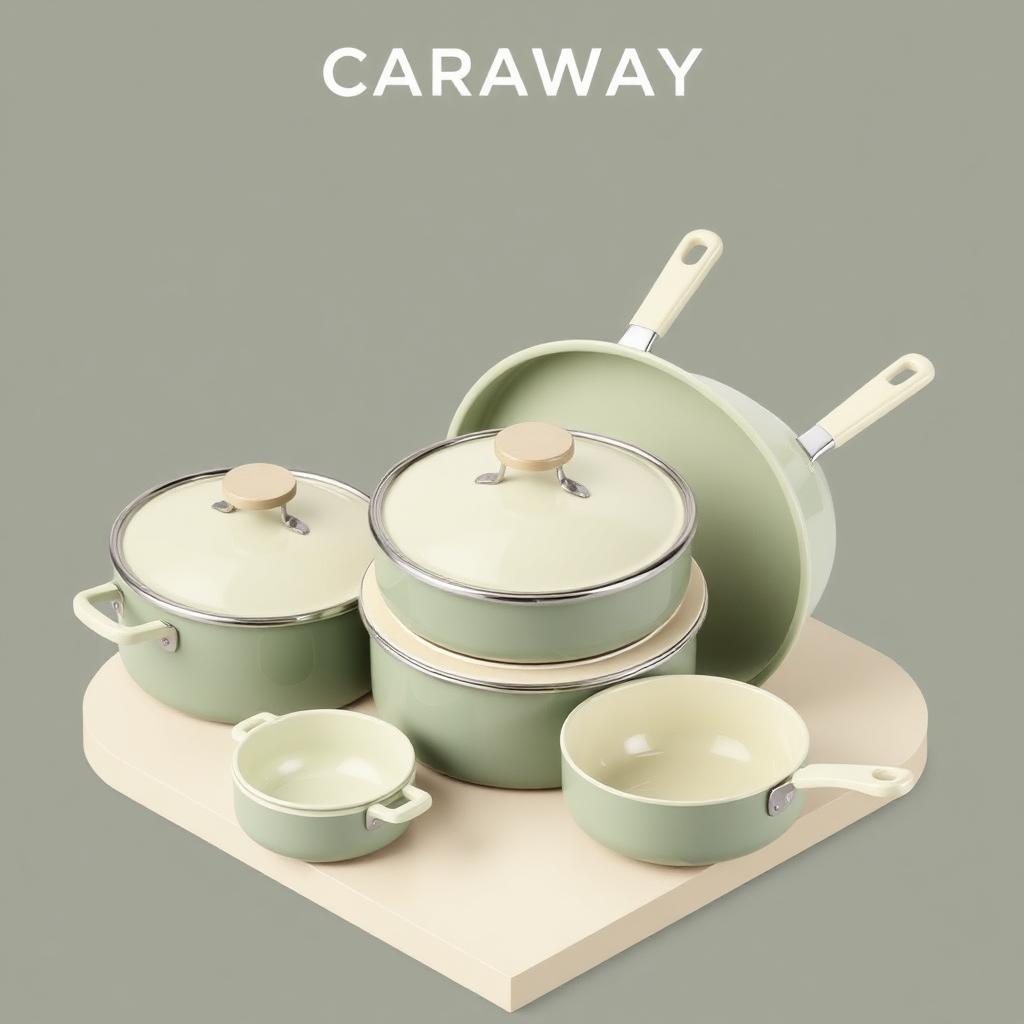
Non-toxic ceramic cookware with premium AOV.
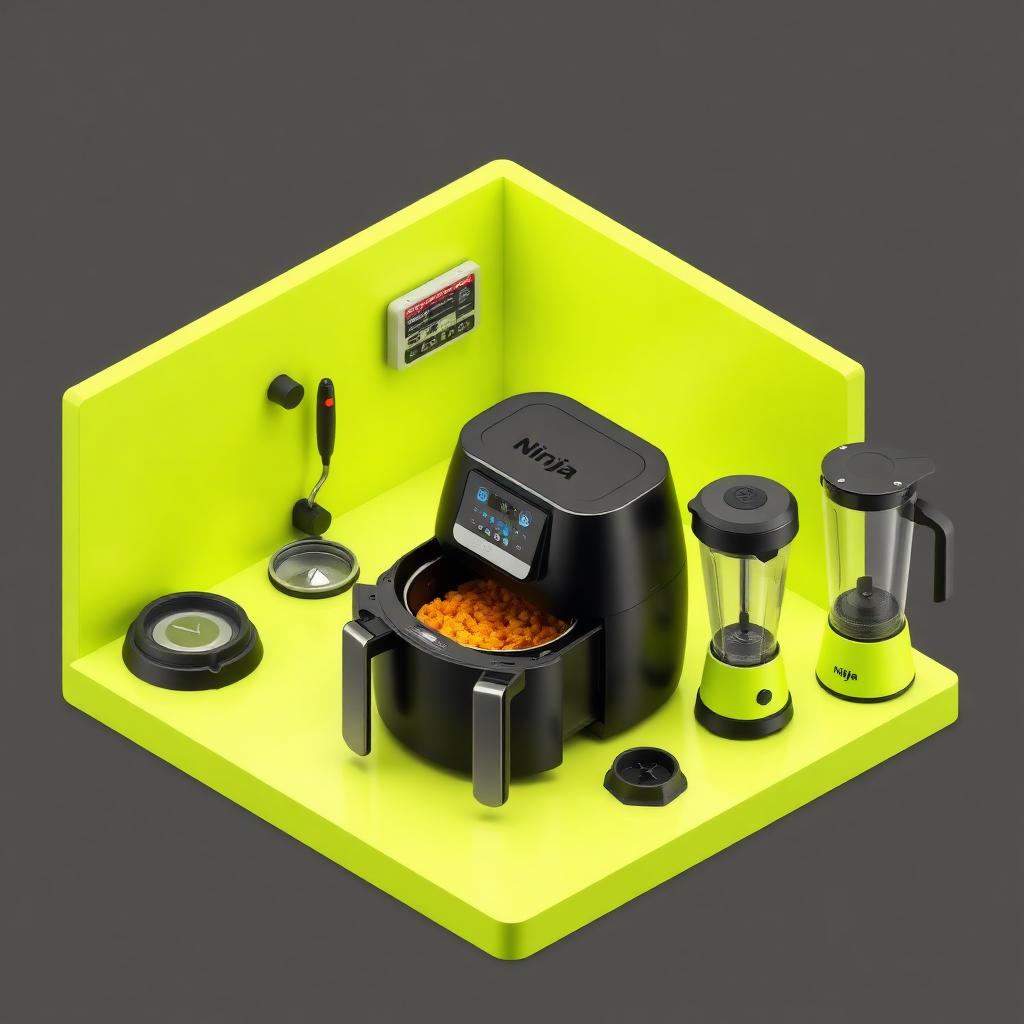
Blenders, air fryers and grills with strong AOV.

Premium espresso machines and appliances — very high AOV.
The cookie window listed on each of these programs is the number of days you stay credited after someone clicks your link. Thirty days is common, ninety days is generous, and a handful of programs credit the referral for a year. Longer windows are worth more to a content site because readers researching an expensive tool or a big trip rarely buy on the first visit. If two similar programs sit in front of you, the one with the longer window will usually pay you more over a year even if its headline rate is slightly lower. It also changes how you write: with a long window you can happily publish early-stage research content, while short windows push you towards pages that reach people at the point of purchase.

German luxury e-tailer with massive AOV.

Amazon-owned designer marketplace with strong AOV.

Contemporary fashion loved by influencers.
The strongest affiliate sites run a handful of programs across two or three related categories rather than betting everything on one brand. Programs change: terms get cut, a network migration breaks tracking, or a brand pauses recruitment. A small portfolio like the one forming across these rows protects your income from any single change and lets you compare real performance instead of guessing. Track which links earn per thousand visitors, not which ones get the most clicks, and keep the two or three that reliably convert for your audience. Then retire or replace the rest. That single habit, reviewed once a quarter, tends to do more for total earnings than adding another twenty links to the same page ever will.

Luxury designer marketplace with $500+ average carts.

Global exchange with wide altcoin coverage and lifetime rev share.

Original hardware wallet — bundle sales push $20+ easily.
You do not need new visitors to earn from the programs in this row, you need to reconnect the visitors you already get to an offer that fits. Look at your five most-read pages and ask what the reader is trying to accomplish on each one. Then choose the program above that helps them do exactly that, and add a short, honest recommendation with the reason you chose it. This is usually a same-week change with same-month results, because the traffic is already qualified. It is also the cheapest experiment available to you: if a placement does not convert after a few hundred visitors, swap the offer rather than rewriting the page. Most sites discover their best-performing program by testing three, not by researching thirty.

Exchange + card ecosystem with per-referral bonus.

Regulated US exchange — referral bonuses stack.

PC gaming components and peripherals with strong AOV.
Display advertising pays for attention, affiliate links pay for outcomes. On a page with a thousand monthly readers, ad revenue is usually a handful of dollars, while a single approved referral from one of the programs above can pay more than the whole month of ads. That is why the offers in this directory all clear a twenty dollar minimum: below that line, the effort of writing a genuinely helpful recommendation is rarely repaid. The two models are not mutually exclusive. Many sites keep light ad placement for informational pages and reserve affiliate recommendations for the pages where readers are choosing between products. What matters is that your highest-intent pages are monetised with the model that pays for outcomes rather than the one that pays for scrolling.

Pro esports peripherals — headsets and keyboards convert well.

PC game keys and bundles — bundles convert like crazy.

Streaming gear — capture cards, Stream Decks, lights.
Brands in this payout tier review applications, and the ones shown here are no exception. The pattern that gets approved is unglamorous: a live site with real content, a clear description of your audience, a visible privacy policy and disclosure, and an honest account of how you plan to promote. Once you are in, the same qualities keep you there. Affiliate managers notice sites that produce accurate content and low refund rates, and they often respond by offering higher rates, bonus tiers or early access to launches. That is the quiet advantage of building a content-rich site around a small set of programs: the terms you start with are rarely the terms you keep, provided the content you publish continues to deserve the traffic it earns.

Sub-affiliate network aggregating top programs — one login, thousands of brands.

Marketplace of DTC Shopify brands recruiting creators.

Turns any brand link into an affiliate link automatically — great for blogs.
The programs above sit at the top of the payout table for a reason: each one sells a product that customers keep paying for, so the brand can afford a large one-off bounty for the person who introduced them. For a website owner, that means one well-placed recommendation inside a genuinely useful article can be worth more than a month of display advertising on the same page. The practical approach is to pick one or two of these, use the product yourself, and write the page you wish had existed when you were choosing. Include the setup steps, the pricing tiers, the limitations, and who should not buy it. That honesty is what earns the click, and because these programs pay on approved signups rather than on impressions, a small but well-matched audience is enough to start earning.

Creative Cloud — the industry-standard software suite for designers and creators.

Design tool everyone uses — high-conversion Pro upgrade bounty.

Collaborative design tool — team plan referrals convert enterprise-heavy.
Every program in this row pays on a completed action, so placement matters more than volume. The links that convert are the ones a reader meets at the exact moment they have decided to act: at the end of a tutorial, inside a comparison table, under a screenshot of the product doing the thing they wanted, or in a short resources list at the foot of a guide. Scatter the same link ten times through a page and you dilute it; place it three times with a clear reason each time and it earns. Add a one-line disclosure near the top so readers know how you are paid, and keep the promise realistic. Brands in this tier review affiliates for quality, so the same restraint that makes readers trust you also keeps your account in good standing and your commissions payable.

Themes + templates + stock — Envato Elements subs convert well.

Stock media giant — subscriptions push $20+ payouts.

Unlimited stock video / audio subscriptions with strong recurring split.
Several of the offers shown here pay you a share of every invoice rather than a single bounty, which is the difference between a payday and an income. When a subscription program pays twenty or thirty percent monthly, twenty active customers can quietly become a predictable monthly figure that grows with each new piece of content you publish. It also changes what you should write: instead of chasing new readers constantly, you focus on the pages that attract people who are about to commit to a tool for the long run, then keep those pages accurate. Update pricing when it changes, refresh screenshots after redesigns, and add the questions readers actually email you. Recurring programs reward maintenance far more than they reward volume, which suits a small site perfectly.

Mockup + logo maker used by shops and creators.

Video templates + stock footage subscription — creators love it.
Notice how the offers above mix flat bounties with percentage rates. A flat bounty is ideal for pages where the reader signs up for a service, because you earn the same whether they choose the cheapest plan or the most expensive one. A percentage rate suits pages about products where baskets are large, since your earnings scale with the order. When you decide which of these to add to a page, ask what the reader will realistically do next. If they will start a free trial, a flat-bounty program is the better fit. If they will fill a cart, choose the percentage program with the longer cookie window. Making that decision deliberately, page by page, is the difference between a site that earns a little from everything and one that earns properly from a few pages.
A directory this size is only useful if you narrow it down fast. The payout figure is the headline, but it is rarely the deciding factor. A $150 bounty behind a 30 day sales cycle and a strict approval process may earn you less this quarter than a $35 offer that converts on a free trial. Read each listing for three things: what triggers the commission, how long the cookie lasts, and whether your audience is realistically in market for it.
Creators with software-literate audiences should start in business software, AI tools and email marketing, where recurring commissions compound month after month. Publishers with search traffic do best with web hosting and website builders, because tutorial keywords bring people who are about to buy anyway. Lifestyle and video creators convert well on travel, health and fitness and fashion and luxury, where order values are high enough to make a percentage payout worthwhile.
If you are still deciding on a channel, the guides and tutorials cover the practical mechanics of TikTok bio funnels, YouTube description stacking and blog comparison posts. For offers that pay on clicks and submitted leads instead of completed purchases, see the pay per click programs. And when you want deeper strategy, the feature article library goes long on disclosure, seasonality and building content that keeps earning years later.
Apply to two or three programs, not twenty. Every affiliate manager can tell the difference between a partner who understands the product and someone spraying links. Learn the fundamentals on how affiliate programs and referral links work, then take a realistic look at the timeline on earn money online before you judge your first month's results.